Choosing the best crypto wallet for beginners in 2026 is one of the most important first steps in your crypto journey. Some wallets focus on simplicity, others on security and multi-chain capabilities. Next-generation wallets go a step beyond, adding an AI-powered guidance on top to help users manage their crypto with ease and make smarter decisions. In this post, we break down the best crypto wallets for beginners and help you pick the one that fits your needs.
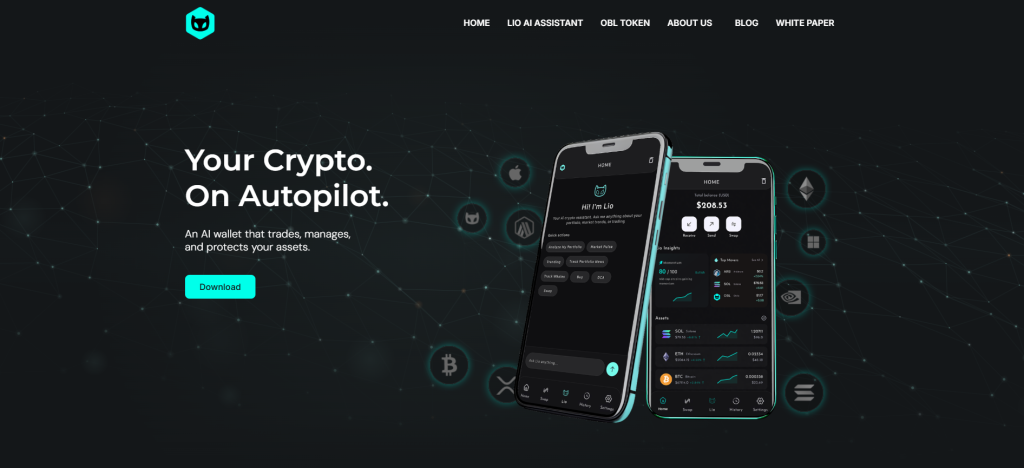
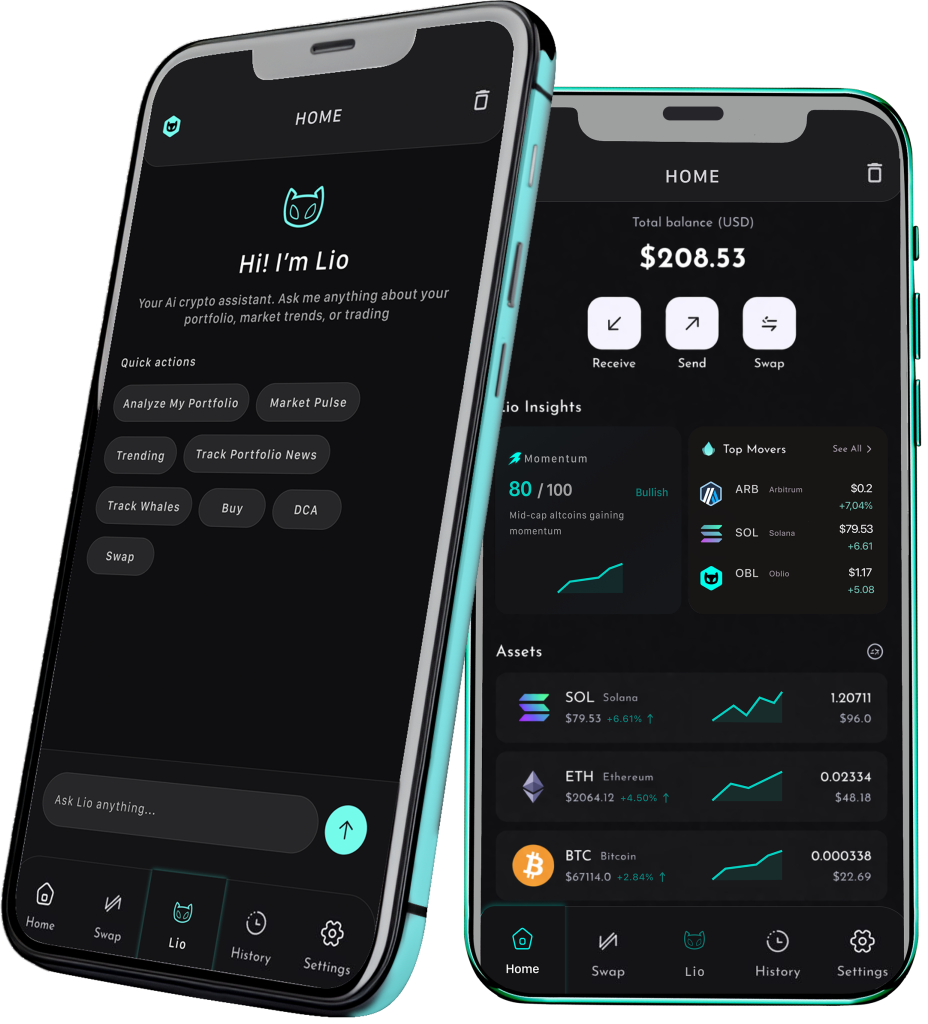
Oblio Wallet stands out as a leader among next-generation wallets, andit’s a popular choice for beginnerswho want security and simplicity with built-in automation. Oblio is a multi-chain, self-custody cryptocurrency wallet with an AI assistant, Lio, that automates trading, portfolio management, and execution while improving user security. It helps users make smarter financial decisions and simplifies advanced crypto actions, removing complexity and making crypto accessible from day one.
Core Features
Multi chain support across a wide range of cryptocurrencies accessible via Mobile app.
Non custodial wallet design so you retain private keys and custody of funds.
Oblio Swap for cross chain swap and real time liquidity pool analysis.
In app staking with yield monitoring and native support for crypto purchases by card.
Lio AI Agent that provides portfolio insights, executes trades using natural language, and runs automated adaptive trading strategies.
Pros
Full Control & Ownership: Keep your private keys and funds – no one else can touch them.
Multi-Chain Support: Trade and move Crypto, stocks or ETFs across chains without switching wallets or networks.
Smart Automation & Execution Layer: Lio is active 24/7 – it automates trades, passive income, and portfolio adjustments.
Natural Language Interaction: Use Lio to interact with crypto using your language, while complex actions are executed instantly behind the scenes.
Available on mobile devices with the user friendly design: The interface prioritizes clarity so common actions are easy to find.
Who It’s For
Oblio is for both beginners and advanced users who don’t want to manage crypto manually, but still want full control and ownership of their assets. For beginners, it executes advanced actions in seconds; for experienced users, it saves time and enhances trading and portfolio management.
Unique Value Proposition
Oblio combines secure self-custody, seamless multi-chain access, and an intelligent AI assistant, Lio, that continuously learns and operates 24/7. Lio doesn’t just suggest actions – it executesautonomously while simplifying portfolio management in real time. With built-in cross-chain swaps and fiat on-ramps, Oblio removes friction at every step.
Real World Use Case
A user deposits funds into Oblio and uses Lio to manage their portfolio automatically. Instead of manually tracking markets, switching chains, or executing trades, Lio monitors news and opportunities, executes strategies, and adjusts positions in real time. While the user maintains full control of their assets while benefiting from continuous, data-driven execution across multiple chains – saving time, reducing complexity, and improving overall performance and security.
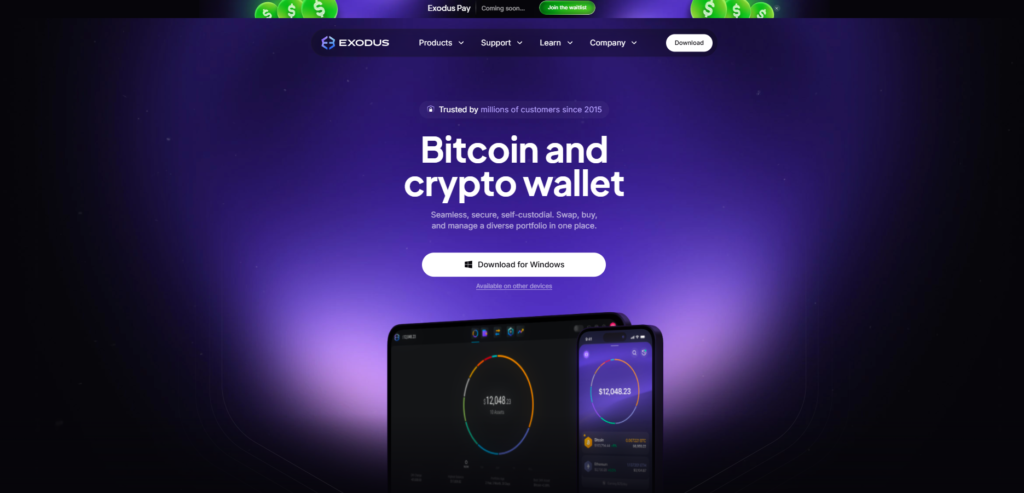
Exodus is a well-established, user-friendly cryptocurrency wallet known for its clean design and ease of use, making it a popular choice for beginners. It is a multi-chain, self-custody wallet that allows users to store, manage, and swap a wide range of digital assets across desktop and mobile. Exodus focuses on simplicity and accessibility, offering built-in swaps, staking, and portfolio tracking, but relies on manual user interaction rather than automation.
Core Features
Multi-chain support across a wide range of cryptocurrencies, accessible on desktop and mobile.
Non-custodial wallet design, giving users full control over their private keys and funds.
Built-in exchange functionality for easy in-app swaps between supported assets.
In-app staking for selected assets, allowing users to earn passive rewards.
Portfolio tracking with a simple and intuitive user interface designed for ease of use.
Pros
Full Control & Ownership: Keep your private keys and funds – you remain in complete control at all times.
Wide Asset Support: Manage a large number of cryptocurrencies across multiple blockchains in one wallet.
Simple, Intuitive Design: Clean and user-friendly interface that makes it easy to navigate and perform common actions.
Built-In Swaps: Easily exchange supported assets directly within the wallet without external platforms.
In-App Staking: Earn passive rewards on supported assets with a straightforward staking experience.
Available on Desktop & Mobile: Seamless access across devices with consistent design and functionality.
Cons
No Automation: All trading, staking, and portfolio management must be done manually by the user.
Limited Advanced Features: Lacks tools for advanced strategy execution, real-time optimization, or automated portfolio management.
No AI Integration: Does not provide intelligent insights, natural language interaction, or automated decision-making.
Basic Cross-Chain Functionality: Asset swaps are limited and may require external tools for more complex cross-chain actions.
Manual Market Monitoring: Users need to actively track markets and make decisions without automated assistance.
Who It’s For
Exodus is for beginners and casual crypto users who want a simple, easy-to-use wallet to store, manage, and swap their assets without dealing with complex tools. It’s best suited for users who prefer a clean interface and are comfortable handling trading, staking, and portfolio management manually.
Unique Value Proposition
Exodus offers a simple and beautifully designed self-custody wallet that makes managing crypto accessible to anyone. By combining an intuitive interface with built-in swaps, staking, and portfolio tracking, it removes friction for users who prefer a straightforward, manual approach to crypto management.
Real World Use Case
A user stores their crypto in Exodus and uses the wallet to track their portfolio, swap assets, and stake selected tokens. They manually monitor the market, make trading decisions, and manage their holdings through a simple and intuitive interface, all while maintaining full control of their funds.
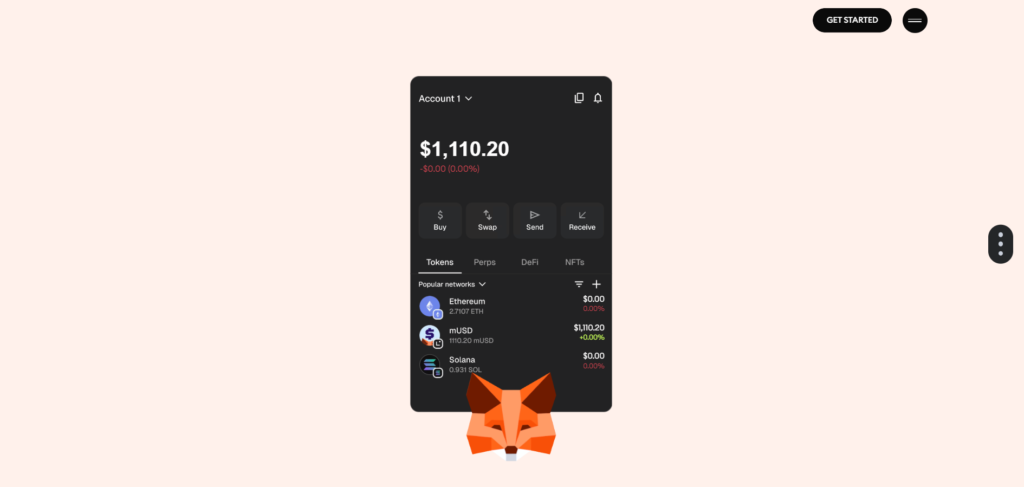
MetaMask is one of the most widely used cryptocurrency wallets, known for its browser extension and strong integration with decentralized applications (dApps). It is a self-custody wallet primarily focused on Ethereum and EVM-compatible networks, allowing users to store assets, interact with De-Fi protocols, and manage NFTs. MetaMask is ideal for users actively engaging with Web3, but requires manual interaction and a deeper understanding of blockchain networks.
Core Features
Self-custody wallet with full control over private keys and funds.
Native support for Ethereum and EVM-compatible networks like Arbitrum, Polygon, and BNB Chain.
Seamless connection to decentralized applications (dApps), including De-Fi platforms, NFT marketplaces, and Web3 services.
Built-in cross-chain token swaps.
Custom network configuration, allowing users to add and manage multiple EVM chains manually.
Browser extension and mobile app for easy access across devices.
Pros
Full Control & Ownership: Self-custody wallet where users retain full control of private keys and funds.
Strong Web3 Integration: Seamlessly connects to a wide range of dApps, including De-Fi platforms, NFT marketplaces, and Web3 services.
Widely Adopted & Trusted: One of the most popular wallets in the crypto space, supported by most decentralized applications.
EVM Ecosystem Support: Works across Ethereum and multiple EVM-compatible networks like Polygon, Arbitrum, and BNB Chain.
Flexible & Customizable: Users can add custom tokens and networks, giving full control over how they interact with blockchain ecosystems.
Browser & Mobile Access: Available as both a browser extension and mobile app for easy access.
Cons
Complex for Beginners: Requires understanding of networks, gas fees, and manual setup, which can be confusing for new users.
Manual Network Management: Users must manually add and switch between networks, increasing friction and risk of errors.
No Automation: All interactions, trades, and portfolio management must be handled manually.
Limited Cross-Chain Functionality: Primarily focused on EVM networks, with no seamless support for non-EVM chains like Bitcoin or Solana.
Basic Portfolio Insights: Lacks advanced analytics or intelligent tools for optimizing portfolio performance.
Risk of Overpaying Fees: Without built-in optimization, users may overpay gas fees or execute transactions at inefficient times.
Security Risks from User Error: High reliance on user actions increases the risk of mistakes, phishing, or interacting with malicious dApps.
Who It Is For
MetaMask is best suited for users who actively interact with Web3 applications and are comfortable managing networks, fees, and transactions manually. It’s ideal for more experienced users who want direct access to De-Fi, NFTs, and dApps, and prefer full control over every action they take.
Unique Value Proposition
MetaMask provides direct and seamless access to the Web3 ecosystem, allowing users to interact with decentralized applications, De-Fi protocols, and NFTs from a single wallet. Its flexibility and deep integration across Ethereum and EVM networks – including the ability to manually add custom tokens via contract addresses – make it a go-to choice for users who want full control and direct access to on-chain activity.
Real World Use Case
A user holds BTC, and other major cryptocurrencies in a secure way. Users connect MetaMask to a decentralized application to trade tokens, provide liquidity, or mint NFTs. They manually manage networks, approve transactions, and adjust gas fees while interacting directly with smart contracts, maintaining full control over every step of their on-chain activity.
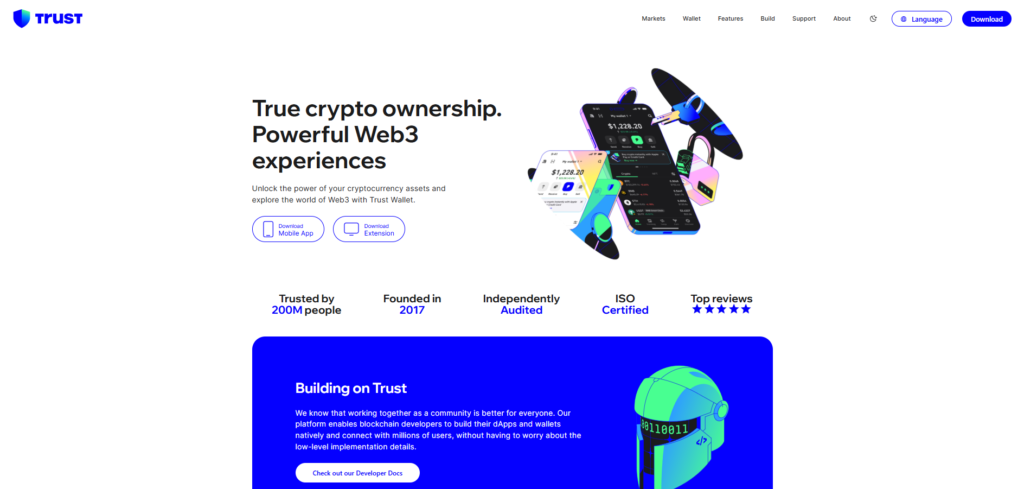
Trust Wallet is a popular mobile-first cryptocurrency wallet known for being feature-rich, with wide asset support across multiple blockchains. It is a self-custody wallet that allows users to store, manage, and swap a large variety of cryptocurrencies, while also providing access to dApps through its built-in browser. While powerful, its extensive feature set can make the experience less intuitive, requiring users to navigate and manage actions manually.
Core Features
Multi-chain support across a wide range of cryptocurrencies and blockchains.
Non-custodial wallet design, giving users full control over private keys and funds.
Built-in token swaps for supported assets across different networks.
In-app staking for selected cryptocurrencies to earn passive rewards.
dApp browser for direct access to De-Fi platforms, NFT marketplaces, and Web3 services.
NFT storage and management within the wallet.
Mobile-first experience with a broad set of tools and features available in one app.
Pros
Full Control & Ownership: Self-custody wallet where users retain full control of their private keys and funds.
Wide Asset Support: Supports a large number of cryptocurrencies across multiple blockchains.
Feature-Rich Functionality: Offers swaps, staking, NFTs, and dApp access all within a single app.
No Additional Swap Fees: Does not charge extra fees for swaps beyond network and provider costs.
dApp & Web3 Access: Built-in browser allows easy interaction with De-Fi platforms and NFT marketplaces.
Mobile-First Experience: Designed primarily for mobile users with access to a broad range of tools on the go.
Open source and transparent development. Code availability helps the community review and suggest improvements.
Cons
Less Intuitive User Experience: The wide range of features can make navigation confusing, especially for new users.
Overloaded Interface: Managing multiple tools (swaps, staking, NFTs, dApps) in one place can feel cluttered and overwhelming.
Manual Interaction Required: All trading, staking, and portfolio management must be handled manually.
Limited Advanced Insights: Lacks built-in analytics or intelligent tools for optimizing portfolio performance.
Risk of User Error: Complexity and manual actions increase the chances of mistakes, especially when interacting with dApps.
Who It’s For
Trust Wallet is for users who want access to a wide range of crypto features in a single mobile app, including tokens, NFTs, staking, and dApps. It’s best suited for users who are comfortable navigating multiple tools and managing their assets manually within a feature-rich environment.
Unique Value Proposition
Trust Wallet offers a feature-rich, all-in-one mobile crypto wallet that gives users access to a wide range of assets, dApps, and Web3 services in a single application. Its strength lies in combining storage, trading, staking, and NFT management in one place, making it a versatile option for users who want broad functionality on the go.
Real World Use Case
A user manages their crypto portfolio in Trust Wallet by storing assets, swapping tokens, staking, and accessing dApps through the built-in browser. They manually navigate between features, monitor the market, and execute transactions across different tools within the app, maintaining full control over their assets.
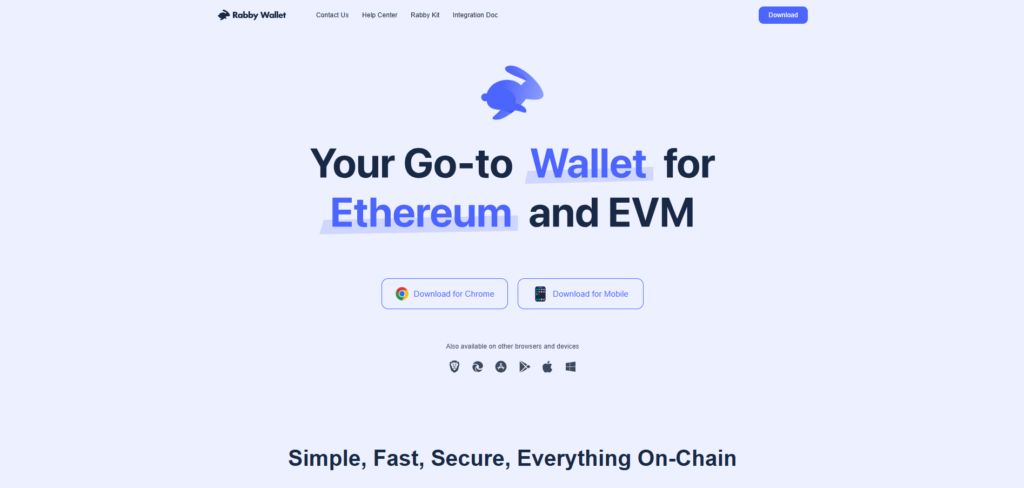
Rabby Wallet is a cryptocurrency wallet designed for advanced users actively interacting with De-Fi and Web3 applications. It is a self-custody wallet focused on Ethereum and EVM-compatible networks, offering detailed transaction previews and built-in security checks before execution. Available on both desktop and mobile, Rabby improves safety and transparency for on-chain interactions, but remains best suited for experienced users and relies on manual transaction management.
Core Features
Self-custody wallet with full control over private keys and funds.
Support for Ethereum and a wide range of EVM-compatible networks.
Automatic network detection, removing the need for manual switching between chains.
Advanced transaction simulation, showing expected outcomes before execution.
Built-in security checks to detect suspicious transactions and potential risks.
Seamless connection to dApps for interacting with De-Fi protocols and Web3 services.
Available on desktop and mobile for flexible access across devices.
Pros
Full Control & Ownership: Self-custody wallet where users retain complete control of their private keys and funds.
Advanced Transaction Simulation: Preview transactions before execution to understand outcomes and avoid costly mistakes.
Built-In Security Checks: Detects suspicious transactions and highlights potential risks before approval.
Automatic Network Detection: Removes the need to manually switch between EVM networks when interacting with dApps.
Strong De-Fi & Web3 Integration: Seamlessly connects to a wide range of dApps, De-Fi protocols, and on-chain services.
Available on Desktop & Mobile: Flexible access across devices for active Web3 users.
Cons
Higher fees compared with some competitors make small or frequent trades more expensive over time.
Limited options for advanced trading on the main app mean power users need Coinbase Pro for deeper order types and lower fees.
Lengthy verification process can delay your first purchase when identity checks take longer than expected.
Who It’s For
Rabby Wallet is for experienced crypto users who actively interact with De-Fi and Web3 applications and want greater transparency and control over their transactions. While its built-in security checks and transaction previews can help reduce risk, it still requires users to manage on-chain activity manually, making it better suited for those with some prior experience.
Unique Value Proposition
Rabby Wallet focuses on making on-chain interactions safer and more transparent by providing detailed transaction previews and built-in security checks before execution. By showing users exactly what will happen before they approve a transaction, it reduces the risk of costly mistakes and improves confidence when interacting with De-Fi and Web3 applications.
Real World Use Case
A user connects Rabby Wallet to a De-Fi platform to swap tokens, provide liquidity, or interact with smart contracts. Before confirming each transaction, Rabby simulates the outcome and highlights potential risks, allowing the user to review details and proceed with greater confidence while manually managing every step of the process.
That concludes the list of our top picks for The Best Crypto Wallets for Beginners in 2026.
It’s time to upgrade to the crypto wallet that works for you
Why is Oblio a great choice?
Most wallets force you to choose: simplicity or power. Oblio delivers both.
While wallets like Exodus focus on ease of use, MetaMask and Rabby cater to advanced users, and Trust Wallet offers a wide range of features, they all rely on one thing – manual execution. Users must track markets, switch networks, manage risk, and make every decision themselves.
Oblio changes that.
With Lio, an intelligent AI agent, Oblio moves beyond storage and access – it becomes an execution layer. It doesn’t just show you information; it acts on it. Trades are executed, portfolios are optimized, and opportunities are captured in real time, across multiple chains.
The result is simple: less complexity, fewer mistakes, and more efficient outcomes.
Oblio isn’t just another wallet – it’s a smarter way to operate in crypto.
Download Oblio Wallet
Frequently Asked Questions
What features should I look for in a beginner-friendly crypto wallet?
Look for features like a user-friendly interface, strong security measures, and multi-currency support. A wallet that combines these elements will allow you to easily navigate and manage your crypto assets. Additionally, consider wallets with an integrated AI assistant, which can simplify complex actions, provide insights, and help automate decisions – making it easier to operate in crypto without constant manual effort.
How do I secure my crypto wallet effectively?
Secure your crypto wallet by safely storing your recovery phrase offline, using a strong password, and enabling features like biometric or two-factor authentication where available. Avoid sharing sensitive information, double-check transaction details, and consider using wallets with built-in security checks or smart assistants that help detect risks and prevent costly mistakes.
Can I swap currencies within my beginner crypto wallet?
Many beginner-friendly crypto wallets offer built-in swapping tools that allow you to exchange one cryptocurrency for another. Check your wallet’s features to see if this functionality is included and how it works.
How do I know which crypto wallet is right for me as a beginner?
Consider your needs – whether you prefer a mobile or desktop wallet, want to manage everything manually or use an assistant for automation, and how important simplicity, security, and ease of use are for your experience.
Are there any fees associated with using beginner crypto wallets?
Yes, most beginner crypto wallets involve some fees, but they usually come from the network or service providers rather than the wallet itself. These can include transaction (gas) fees, swap fees, and sometimes fees for buying crypto with a card. Some wallets don’t add extra charges, while others include a small spread or service fee, so it’s important to check how each wallet handles costs before using it.
How can I start using a crypto wallet without prior experience?
Start by choosing a beginner-friendly wallet, creating an account, and securely backing up your recovery phrase; then fund your wallet and begin with simple actions like sending, receiving, or swapping small amounts while learning how it works.
What is The Best Crypto Wallets for Beginners in 2026?
The best crypto wallet for beginners in 2026 isn’t a one-size-fits-all answer – it depends on what the user is actually looking for.
Some beginners prioritize simplicity, wanting an easy onboarding experience and a clean interface. Others focus on security, preferring full control over their assets through self-custody. More advanced beginners may look for De-Fi functionality, such as swapping, staking, and interacting with decentralized apps.
But there’s a growing group of users who want something more – not just tools, but automation and guidance. Instead of manually navigating complex processes, they prefer wallets that can help execute actions, optimize portfolios, and simplify decision-making.
This is where next-generation solutions like Oblio Wallet stand out. By combining multi-chain access, self-custody, De-Fi capabilities, and an AI assistant (Lio), Oblio brings everything into one place – while also introducing autonomous execution and intelligent support.
In 2026, the best wallet for beginners is ultimately the one that matches their needs – whether that’s simplicity, control, or a more automated, intelligent crypto experience.
MOST POPULAR
Oblio Was Selected Among The Top 4 Serbian Startups